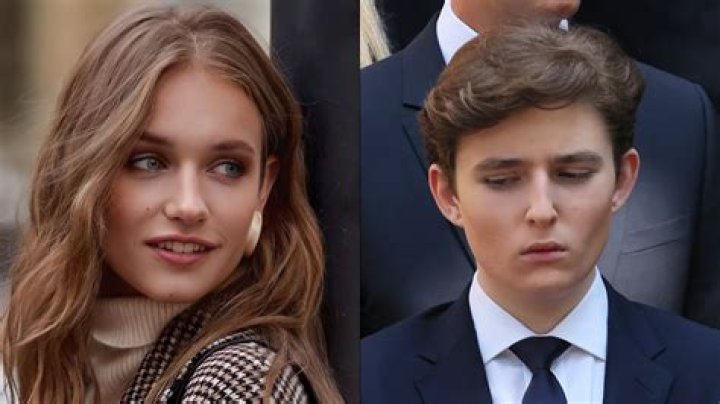
Understanding The Disappointed Meme Phenomenon

Robert Miller
Updated on January 03, 2026
The digital age has birthed countless memes, each with its unique flair and message. Among these, the "disspointed meme" has emerged as a poignant expression of disillusionment and unmet expectations. This meme taps into the shared experience of disappointment, making it resonate with a wide audience. As internet culture evolves, so too does the way we communicate our feelings through humor, satire, and relatable imagery. The "disspointed meme" encapsulates this idea perfectly, often transforming a simple expression of letdown into a viral sensation.
The essence of the "disspointed meme" often lies in the portrayal of characters or situations that reflect feelings of frustration or discontent. Whether it's a well-known celebrity, a fictional character, or a common scenario, the meme serves as a visual shorthand for those moments when life doesn't quite meet our expectations. The beauty of this meme is that it takes something universally relatable—the feeling of disappointment—and packages it in a way that is both humorous and easily shareable across social media platforms.
As we delve deeper into the world of the "disspointed meme," we will explore its origins, evolution, and why it has become a staple in meme culture. Understanding the nuances behind these memes can provide insights into how we process our feelings and share experiences in the digital realm. So, what makes a meme like this so appealing, and how does it reflect our collective psyche? Join us as we unpack the layers of the "disspointed meme."
What is the Origin of the Disappointed Meme?
The "disspointed meme" draws inspiration from various sources, often starting from a specific image or quote that captures a moment of disappointment. One popular iteration features a famous image of a character displaying a dismayed expression, which has been repurposed with captions that articulate a wide range of disappointments. This could be anything from missing out on a concert to finding out your favorite restaurant is closed.
How Did the Disappointed Meme Evolve?
As memes generally do, the "disspointed meme" has evolved significantly since its inception. Initial versions were simplistic, often relying solely on the image and a straightforward caption. However, as the meme gained traction, creators began to experiment with different formats, layering meanings and incorporating pop culture references. This evolution reflects the creativity and adaptability of internet users, who continuously find new ways to express their emotions through humor.
Why Do People Relate to the Disappointed Meme?
One of the primary reasons the "disspointed meme" resonates with so many people is its relatability. Disappointment is a universal emotion; everyone has experienced it at some point in their lives. By encapsulating this feeling in a humorous context, the meme allows individuals to share their experiences and find solace in communal understanding. This shared experience fosters a sense of belonging in an otherwise isolating digital landscape.
Who Are Some Notable Figures Associated with the Disappointed Meme?
Many memes, including the "disspointed meme," often feature well-known personalities. Some figures have become synonymous with disappointment in meme culture, further solidifying their status in the digital realm. Let's take a closer look at one such figure:
| Name | Occupation | Notable Work | Memes Associated |
|---|---|---|---|
| Ryan Gosling | Actor | The Notebook | Disspointed meme, Sad Ryan |
How Does Ryan Gosling Fit into the Disappointed Meme Narrative?
Ryan Gosling, known for his roles in romantic dramas and comedies, has become an iconic figure in meme culture, particularly with the "disspointed meme." His portrayal of heartbroken characters, especially in "The Notebook," lends itself well to expressions of disappointment. Memes featuring his image often highlight moments when expectations fall short, making them relatable to a vast audience.
What Makes the Disappointed Meme Stand Out?
The "disspointed meme" stands out due to its ability to convey complex emotions succinctly. Unlike longer forms of expression, memes allow individuals to communicate their feelings quickly and humorously. This immediacy is crucial in today's fast-paced digital world, where attention spans are short, and engagement is vital. The meme's visual nature also aids in making it easily shareable, increasing its reach and impact.
Can the Disappointed Meme Be Used for Positive Change?
While the "disspointed meme" typically embodies a sense of letdown, it can also serve as a catalyst for positive change. By addressing feelings of disappointment openly, individuals can find the courage to confront their emotions and work towards solutions. This shift in perspective can transform a negative experience into a learning opportunity, encouraging personal growth and resilience.
How to Create Your Own Disappointed Meme?
Creating your own "disspointed meme" can be a fun and engaging activity. Here’s a simple guide to get you started:
- Choose an Image: Select a picture that conveys disappointment. This could be a still from a movie, a celebrity's expression, or even a personal photo.
- Add a Relatable Caption: Think of a situation that elicits disappointment and craft a witty caption to accompany the image.
- Share and Engage: Post your meme on social media platforms and watch as others relate to your creation.
What Are the Future Trends for the Disappointed Meme?
The future of the "disspointed meme" is likely to reflect the evolving landscape of internet culture. As new platforms emerge and user demographics shift, the ways in which we express disappointment will also change. Memes will continue to adapt, incorporating fresh images, language, and contexts that resonate with contemporary audiences. The essence of the "disspointed meme," however, will remain the same: a humorous reflection of our shared human experience.
In conclusion, the "disspointed meme" serves as a fascinating example of how digital culture allows us to express emotions collectively. By understanding its origins, evolution, and the reasons behind its appeal, we can appreciate this meme as more than just a fleeting trend. Instead, it represents a vital form of communication that connects us through shared experiences of disappointment, humor, and ultimately, resilience.
Ramon Estevez: The Unseen Force Behind The Screen
Embracing Sunday Blessings: Good Morning Divine Inspirations And Prayers
Unveiling The Journey Of Jamar Jakes: A Multifaceted Talent